
Can you be forced out of the house during your Iddah period? The answer is an unequivocal no — and this is not merely a moral or religious position. Pakistani law enforces this right.
Yet every year, Pakistani women are pressured — or outright forced — to leave the matrimonial home during Iddah. Often they are told it is the husband’s property, or that they have no right to stay once a divorce is pronounced. This guide explains what the law actually says, and what you can do if someone violates your rights.
⚖️ What is Iddah?
Iddah is the mandatory waiting period a Muslim woman must observe following the dissolution of her marriage — whether through Talaq, Khula, or the death of her husband. During this period, she may not remarry. The duration varies:
- After Talaq: Three menstrual cycles (approximately three months)
- After death of husband: Four months and ten days
- If pregnant: Until delivery of the child
The Iddah period is recognised both under Islamic law and under the Muslim Family Laws Ordinance, 1961 in Pakistan.
🏠 Your Right to Remain in the House During Iddah
Under Islamic jurisprudence — and as reflected in Pakistani family law — a woman has the right to remain in the matrimonial home throughout the duration of her Iddah. This applies even if the divorce was pronounced by the husband (Talaq), even if the property is in the husband’s name, and even if the husband or his family objects.
The husband — or his family members — cannot legally evict you from the house during your Iddah period. Doing so constitutes a violation of your rights and can have legal consequences.
💰 Maintenance (Nafqa) During Iddah
In addition to the right to housing, you also hold the right to financial maintenance (nafqa) during your Iddah period. This includes provision for food, clothing, and shelter. Your husband must legally provide this support — regardless of the circumstances of the divorce — during the Iddah period.
If he fails to provide maintenance, you can file a maintenance claim before the Family Court under the Family Courts Act, 1964.
🚨 What Can You Do if You Are Being Forced Out?
If your husband or in-laws are threatening to evict you — or have already done so — you have several legal options available:
- File a complaint with the Family Court — seek an injunction restraining the husband from evicting you during Iddah.
- File an FIR — forcible eviction from the matrimonial home can constitute harassment. File a police complaint, particularly if threats or force are involved.
- Apply for interim maintenance — if the husband withholds nafqa, the Family Court can order him to pay interim maintenance pending the final hearing.
Courts in Pakistan have consistently upheld the right of women to remain in the matrimonial home during Iddah. You do not need to leave simply because your husband demands it.
📌 Practical Tips
- Do not vacate the home voluntarily under pressure — once you leave, it becomes harder to assert your right to return.
- Document any threats, messages, or incidents of harassment in writing.
- If you feel physically unsafe, contact local law enforcement and consult an advocate immediately.
- Your children’s custody situation during Iddah is a separate matter — consult a lawyer about interim custody arrangements.
⚠️ Common Misconceptions
- “It’s his house, so I have to leave.” — Property ownership does not override your right to residence during Iddah.
- “He said Talaq, so I must go.” — Talaq triggers Iddah. During Iddah, you have the right to remain.
- “The family says I’m not welcome.” — The in-laws’ preferences are not legally relevant to your rights during Iddah.
📞 Need Legal Assistance?
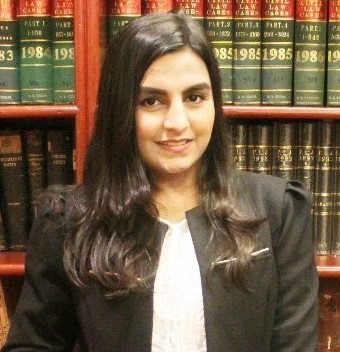
If you are being threatened with eviction during your Iddah period, or if your maintenance rights are being denied, HSJ Legal can help. Advocate Hina Saleem Jessani is a practicing High Court Advocate in Karachi with experience in family law and women’s rights cases across Pakistan.
Reach out for a consultation: https://hsjlegal.co/contact/
⚖️ Need Legal Advice on This Matter?
Book a consultation with Advocate Hina Saleem Jessani — High Court Advocate, Karachi.
Get expert legal guidance tailored to your specific situation.