
Divorce has happened — and now you are wondering: what is my share in the property? This is one of the most important questions a woman can ask, and yet one of the least understood areas of Pakistani family law. The short answer is: you have rights. The longer answer requires understanding exactly what they are and how to enforce them.
⚖️ Does Pakistan Have Automatic Property Division After Divorce?
Unlike many Western jurisdictions, Pakistan does not have a system of automatic “marital property splitting” upon divorce. There is no rule that assets accumulated during the marriage are divided 50/50. However — and this is crucial — the absence of automatic division does not mean you have no rights. You simply need to know which rights apply to your situation.
🏠 Property in Your Own Name
This is the clearest category: any property registered in your name belongs to you. This includes real estate, bank accounts, gold, jewellery, and any other assets held in your name. Divorce does not affect your ownership of these assets. Your husband cannot claim them, and they cannot be included in any settlement without your consent.
If your husband or in-laws are withholding property that is legally yours, you can seek recovery through civil court.
💍 Mehr — Your Unconditional Right
Mehr (dower) is a mandatory financial commitment made by the husband to the wife at the time of Nikkah. It is recorded in the Nikkah Nama. Critically, Mehr remains your right regardless of who initiated the divorce. Whether you filed for Khula or your husband pronounced Talaq, your unpaid Mehr is a debt owed to you by law.
Under the Muslim Family Laws Ordinance, 1961, you can file a suit for recovery of unpaid Mehr in the Family Court. The court can order its payment — including any deferred portion — at the time of divorce.
Note: In Khula proceedings, the court may ask you to return the Mehr as a condition of the Khula. This is at the judge’s discretion and should be discussed with your advocate before the proceedings conclude.
💰 Financial Contribution to Property During Marriage
Did you contribute financially to a property that is in your husband’s name? Did you pay household expenses, contribute to the purchase price, or fund renovations? If so, you may have a claim to a share in that property — even if your name is not on the title.
Pakistani courts have recognised the concept of constructive or beneficial ownership in certain circumstances. This type of claim requires evidence of financial contribution and is more complex to pursue, but it is a legitimate legal avenue. Consult an advocate to assess the strength of your case.
👶 Custody and the Right to Remain in the Matrimonial Home
If you have children and you are the primary caregiver, the court has the power to allow you to remain in the matrimonial home — even if it is in your husband’s name — for the welfare of the children. This is not a permanent property right, but it is a significant practical protection that courts frequently grant in custody matters under the Guardians and Wards Act, 1890.
📦 Stridhan and Personal Belongings
Jewellery, clothes, household items, and gifts given to you personally during the marriage (including wedding gifts) are yours to keep. These are not subject to any division. If your in-laws are withholding your personal belongings, you can file a recovery suit or a criminal complaint for theft or criminal breach of trust.
⚠️ What You Cannot Automatically Claim
- A share in property solely registered in the husband’s name, unless you can prove financial contribution or a prior agreement
- Business assets in the husband’s name, without specific evidence of your contribution or a partnership arrangement
- Property gifted by the husband’s family to him (as opposed to gifted to both of you)
📌 Practical Tips
- Make copies of all financial documents — bank statements, property papers, Nikkah Nama — before or during divorce proceedings.
- Document any financial contributions you made: transfers, receipts, payment records.
- Check your Nikkah Nama for the amount and type of Mehr stipulated — prompt vs deferred.
- Do not sign any settlement agreement without independent legal advice — some women unknowingly waive valuable rights.
- File for Mehr recovery and maintenance in the same Family Court proceedings to save time and cost.
📞 Need Legal Assistance?
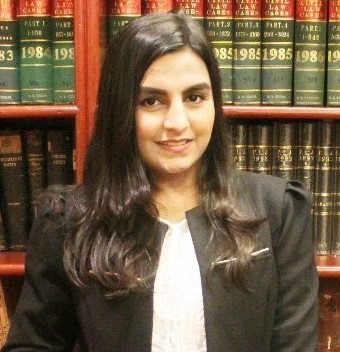
If you are going through a divorce and are unsure about your property rights, HSJ Legal can help you understand exactly what you are entitled to and how to pursue it. Advocate Hina Saleem Jessani is a practicing High Court Advocate in Karachi with extensive experience in family law and women’s rights.
Reach out for a consultation: https://hsjlegal.co/contact/
⚖️ Need Legal Advice on This Matter?
Book a consultation with Advocate Hina Saleem Jessani — High Court Advocate, Karachi.
Get expert legal guidance tailored to your specific situation.