
Marriage in Pakistan is governed by Islamic law as codified in the Muslim Family Laws Ordinance 1961. Understanding your legal rights within a marriage — regarding maintenance, residence, children, and property — is essential for every married person in Pakistan.
⚖️ 1. Legal Framework
- Muslim Family Laws Ordinance, 1961
- The Guardianship and Wards Act, 1890
- The Dissolution of Muslim Marriages Act, 1939
- West Pakistan Muslim Personal Law (Shariat) Application Act, 1962
📋 2. Key Rights Within Marriage
- Maintenance (Nafaqa): A husband is legally obligated to provide maintenance — food, clothing, shelter — to his wife regardless of her own financial means
- Mehr (Dower): The dower agreed at Nikkah is the wife’s exclusive right and must be paid on demand
- Right of residence: A wife has the right to live in a home provided by her husband appropriate to his means
- Right to Khula: A wife has the right to seek dissolution of marriage through the court
- Talaq-e-Tafweez: If Column 18 of the Nikkah Nama was completed, a wife may have the delegated right to divorce
- Child custody: Mothers have the right of hizanat (physical custody) of young children — sons up to age 7, daughters up to puberty
💡 3. Practical Tips
- Keep a certified copy of your Nikkah Nama safely stored at all times
- Know what was agreed in Column 18 of your Nikkah Nama regarding divorce rights
- Mehr should be agreed in writing and documented clearly
- If maintenance is being withheld, you can file for maintenance in Family Court
⚖️ Need Legal Assistance?
If you need guidance on your rights within marriage, HSJ Legal provides expert family law advice in Karachi.
⚖️ Need Legal Advice on This Matter?
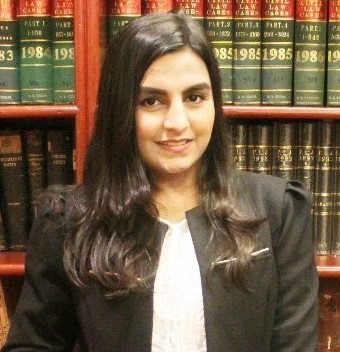
Book a consultation with Advocate Hina Saleem Jessani — High Court Advocate, Karachi.
Get expert legal guidance tailored to your specific situation.