
One of the most common questions Pakistani women ask after filing for Khula is: “Will I still receive maintenance?” The answer is more nuanced than a simple yes or no — and misunderstanding it can cost you financially. This guide explains exactly what maintenance rights a wife retains after Khula under Pakistani law.
⚖️ 1. Legal Framework
Maintenance after Khula in Pakistan is governed by:
- Muslim Family Laws Ordinance, 1961 — governing dissolution of marriage and post-divorce rights
- Family Courts Act, 1964 — which empowers courts to decide maintenance in dissolution proceedings
- West Pakistan Muslim Personal Law (Shariat) Application Act, 1962
- Islamic jurisprudence (Fiqh) — which defines a wife’s financial rights during Iddah
💰 2. Maintenance During Iddah After Khula
When a court grants Khula, the wife enters a period of Iddah — typically three menstrual cycles. During this period, the husband is legally obligated to pay maintenance (nafaqa). This right is non-negotiable and applies even when the wife initiates the Khula.
However, there is an important exception: if the wife has agreed to waive her Mehr (dower) as part of the Khula proceedings — which is commonly required — some courts may reduce or adjust the maintenance entitlement accordingly. Your advocate should negotiate this carefully.
👶 3. Child Maintenance is Separate
Maintenance for children is an entirely separate matter from the wife’s personal maintenance. Even after Khula, the father remains legally obligated to financially support his children. The mother’s custody of children does not reduce the father’s financial responsibility.
If your husband refuses to pay child maintenance after Khula, you can file a separate application before the Family Court to enforce this right. Courts in Pakistan are generally protective of children’s maintenance rights.
📋 4. What Happens to Mehr After Khula?
In Khula proceedings, the wife is typically required to return the Mehr (dower) to the husband — or waive her right to it — in exchange for the dissolution. This is the traditional Islamic basis of Khula. However:
- If Mehr was already paid, the wife may need to return it
- If Mehr was not yet paid (deferred), the court may set it off against other claims
- The exact amount returned or waived is often negotiated during proceedings
This is why having an experienced family law advocate is critical — the financial terms of your Khula directly affect your post-divorce financial position.
🏠 5. Right to Residence During Iddah
In addition to maintenance, a wife observing Iddah after Khula has the right to remain in the matrimonial home during that period. The husband cannot lawfully evict her from the marital residence while she is in Iddah. This is a right protected under Islamic personal law as applied in Pakistan.
⚠️ 6. What You Cannot Claim After Khula
After the Iddah period ends and Khula is finalised, a wife generally cannot claim ongoing personal maintenance (for herself) from her ex-husband. This is different from a divorce initiated by the husband (Talaq), where extended maintenance rights may apply under certain circumstances.
The key distinction: Khula is initiated by the wife, and involves a trade-off — freedom from the marriage in exchange for waiving certain ongoing financial claims.
✅ Practical Tips
- Do not waive more than you need to: Courts have some discretion — your advocate can negotiate the Mehr waiver amount
- File for child maintenance separately: Do not bundle it with Khula proceedings if you want stronger enforcement
- Document everything: Keep records of all Mehr payments, marriage expenses, and financial contributions
- Act during Iddah: The window to claim Iddah maintenance is limited — do not delay
- Get a court decree: Never rely on verbal promises of maintenance — always obtain a court order
📞 Need Legal Assistance?
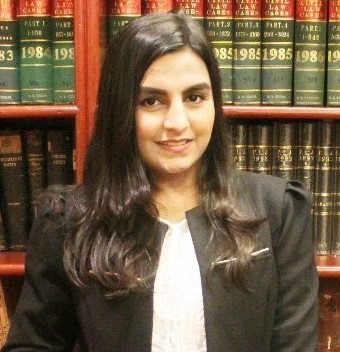
At HSJ Legal, we handle Khula proceedings and post-divorce financial matters with the sensitivity and expertise they deserve. Advocate Hina Saleem Jessani is a High Court Advocate based in Karachi with extensive experience in family law matters across Pakistan.
If you are navigating Khula and need clarity on your maintenance rights, we are here to help.
👉 Contact HSJ Legal for a consultation.
⚖️ Need Legal Advice on This Matter?
Book a consultation with Advocate Hina Saleem Jessani — High Court Advocate, Karachi.
Get expert legal guidance tailored to your specific situation.